
You've probably seen the green packets on restaurant tables. Or the ingredient list on a "zero sugar" drink. Stevia extract is everywhere now. But people still argue about it. Is it a natural win or a processed trick?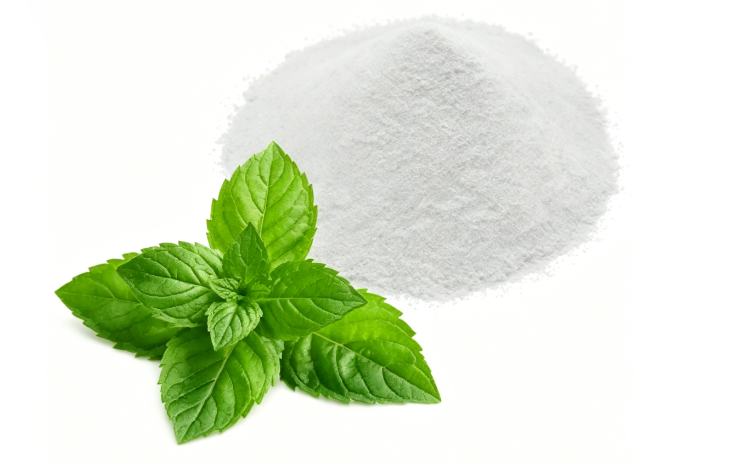
Let's start with where it comes from. Stevia extract comes from the leaves of a plant called Stevia rebaudiana. It's native to South America, where people have used the leaves to sweeten drinks for centuries. The sweet compounds in the leaves are called steviol glycosides—mainly rebaudioside A and stevioside. Pure stevia extract isolates these compounds, leaving behind the plant's bitter aftertaste.
So what's actually in that little packet? 100 pure stevia extract is highly concentrated. It can be 200 to 400 times sweeter than sugar. That's why you only need a tiny amount. Most commercial stevia extract powder is cut with other ingredients like erythritol or dextrose to make it measurable. That's why you see "stevia powder" blends on store shelves.
Now, the debate. Some people say stevia extract is great because it has zero calories and doesn't spike blood sugar. That's true. It's been used by people managing diabetes safely for years. Organizations like the FDA and EFSA have reviewed pure stevia extract powder and deemed it safe for general use.
On the other hand, critics point out that stevia extract is highly processed. It takes a leaf, washes it, soaks it in water or alcohol, filters, and dries the sweet compounds into a white powder. That's not "whole food." Some people also don't like the aftertaste. Not everyone tastes it, but for those who do, stevia powder can have a licorice-like or metallic finish.
So, is stevia extract good or bad? It depends on your standards. If you want a zero-calorie sweetener that's plant-derived and has been studied for decades, bulk stevia powder is a solid option. If you're looking for minimally processed whole foods, you might stick with honey or maple syrup.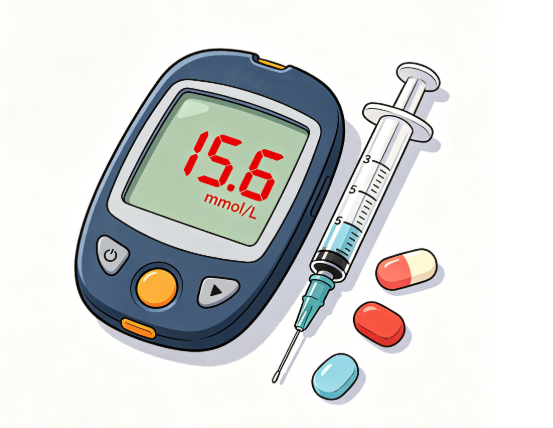
From a manufacturing standpoint, stevia extract is popular because it's shelf-stable, heat-stable, and works in drinks, baked goods, and snacks. Nunaturals white stevia powder is one brand name example, but many suppliers offer high-purity better stevia powder for industrial use.
One thing to note: not all stevia extract is the same. Some 100 stevia powder products have bitter notes. Higher grades use more rebaudioside A, which tastes cleaner. If you're sourcing stevia extract for a product line, ask for a sensory evaluation. Taste matters.
Bottom line? Stevia extract isn't a health food. It's a tool. For someone cutting sugar, it can be helpful. For someone avoiding processed ingredients, it's not ideal. Know what you're buying and why.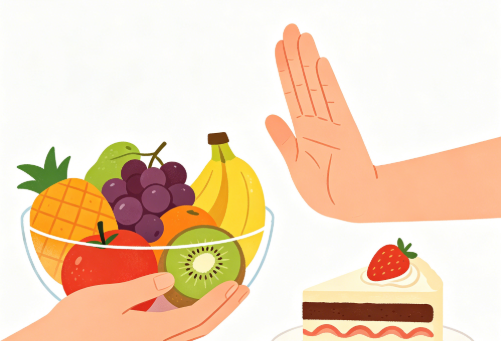
FAQ
1. Is stevia extract safe for daily use?
Yes, regulatory bodies have set acceptable daily intake levels. For a 150-pound adult, that's roughly 40 packets of pure stevia extract per day.
2. Does stevia extract raise blood sugar?
No. Stevia powder has no effect on blood glucose, which is why it's popular in diabetic-friendly products.
3. What's the difference between stevia extract and stevia powder?
Technically, stevia extract is the pure sweet compound. Stevia powder can mean a blend with fillers. Always check the ingredient list.
4. How should I store bulk stevia powder?
Keep it in a cool, dry place away from moisture. Pure stevia extract is stable, but clumping can happen with humidity.


