
You've seen it on supplement labels. Zeaxanthin usually sits next to lutein. Maybe you've wondered if it's actually useful.
Here's the short answer. Your eye has a tiny spot in the center of your retina called the macula. That macula is what lets you read small text and recognize faces. It's yellow because it contains two pigments: lutein and zeaxanthin powder. Your body doesn't make them. You have to get them from food or supplements.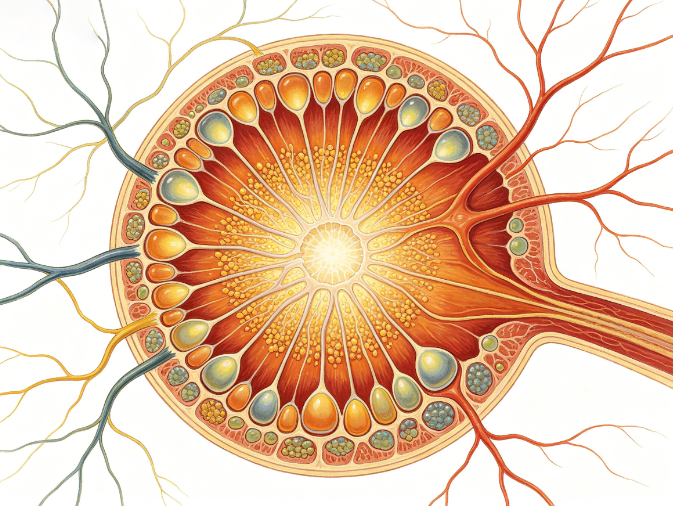
Zeaxanthin collects right in the very center of that yellow spot. Lutein spreads around the edges. So zeaxanthin is the pigment that takes the most direct light hit. Its job is to absorb high-energy blue light from the sun, phone screens, and computers. Over years, that blue light can damage your retina. Zeaxanthin acts like a built-in filter.
The big AREDS2 study proved that taking a lutein and zeaxanthin supplement helped slow age-related macular degeneration. That's why eye doctors recommend it. The study used a specific amount, but the key takeaway is that both nutrients work together.
A zeaxanthin supplement is almost never sold alone. You'll find it paired with lutein. The combination is what matters. So if you're buying zeaxanthin extract in bulk, you're likely making capsules, gummies, or pet food with it.
Who buys zeaxanthin powder? Supplement companies, pet food makers, and some functional drink brands. Senior dogs get eye issues too, so premium pet foods now include a lutein zeaxanthin supplement.
What should you look for when sourcing zeaxanthin powder? The powder should be deep orange-red, not pale or brown. It should smell neutral. Light and heat destroy it, so store it in sealed, opaque containers. Refrigeration helps for long-term storage.
Most zeaxanthin extract comes from marigold flowers. Not from labs. Marigolds are naturally rich in zeaxanthin esters. The extraction process turns them into a fine powder.
The concentration varies. Some zeaxanthin powder is 5% pure, some 10% or higher. The rest is carrier. For capsules, lower purity works. For gummies, you might need a stabilized version.
Is zeaxanthin powder worth it for your product line? The science is solid. Consumer awareness is growing. It's not a miracle cure for existing damage, but for long-term protection, it's one of the few ingredients with real clinical data.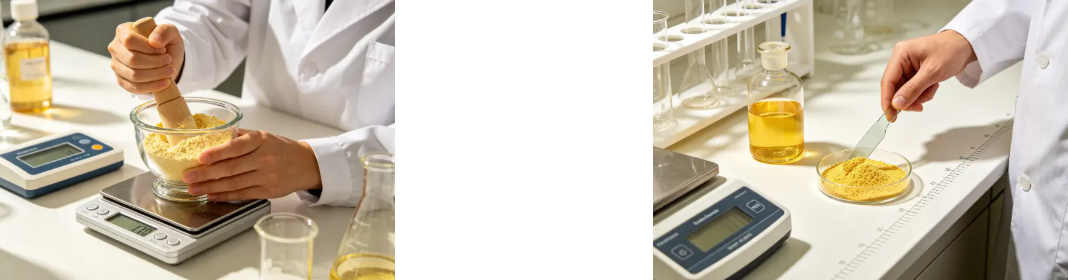
FAQ
1. Can I get enough zeaxanthin from food instead of a zeaxanthin supplement?
Yes, but most people don't eat corn or eggs every day. A supplement guarantees a consistent dose.
2. Is zeaxanthin extract safe for daily use?
Yes. It's a natural pigment found in common foods. No serious side effects.
3. How should I store bulk zeaxanthin powder?
Cool, dark, dry. Light and heat degrade it. Use opaque, airtight containers.
4. Do I need a lutein and zeaxanthin supplement if my eyes are healthy?
It's preventive. Like sunscreen. Not required, but smart for long-term eye health.


