
She'd sourced purple sweet potato powder for a clean-label snack bar. The first batch from her supplier was gorgeous—deep violet, mild sweet taste, perfect. The second batch? Grayish-purple, dull, and the bars came out looking like mud. The supplier said "same spec." Same variety? Same growing region? Same processing? They couldn't say.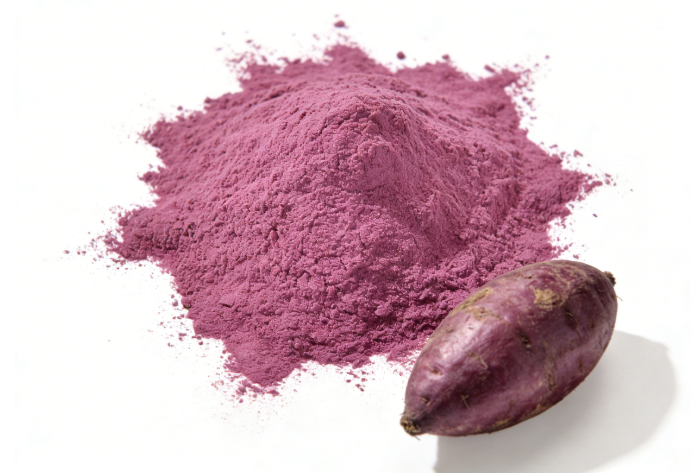
Here's the problem with sweet potato powder that nobody puts on the spec sheet. The color comes from anthocyanins, but different purple sweet potato varieties have different anthocyanin profiles. Some produce acylated anthocyanins that are stable to heat and pH changes. Others have simpler anthocyanins that degrade quickly. Two powders with identical total anthocyanin content can perform completely differently in your product. Your snack bar made with one variety might stay purple for 12 months. Made with another variety, it might turn brown in two months. Same spec sheet, same "10:1 extract" ratio, totally different outcome.
A product developer in Chicago once ordered purple yam powder from three different suppliers thinking it was the same as purple sweet potato. All three sent samples that looked identical—fine, deep purple, same label. She made test batches of a protein shake mix. Supplier A's powder dissolved cleanly, gave a bright lavender color. Supplier B's powder clumped, left specks, turned the shake gray. Supplier C's powder looked perfect dry but turned greenish when mixed with water. All three had similar anthocyanin content on their CoAs. All three had "purple sweet potato" or "purple yam" on the label. All three performed completely differently.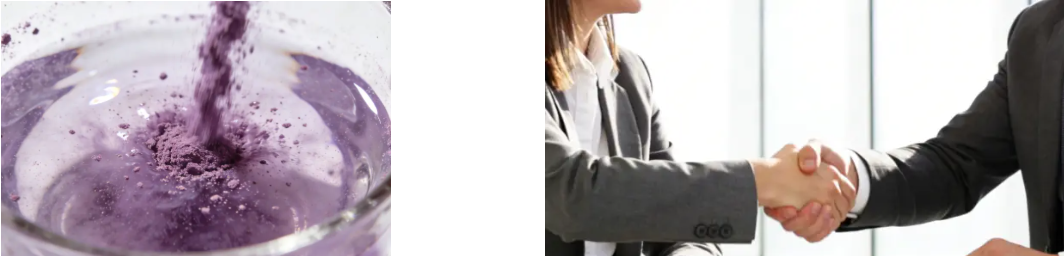
The processing method matters more than most buyers realize. Freeze-dried purple potato powder retains the original anthocyanin structure and flavor. Spray-dried powder is cheaper but can degrade heat-sensitive compounds. Drum-dried powder has a cooked flavor, different solubility, different color stability. A supplier who doesn't tell you how they dried it doesn't know how it will behave in your product.
I visited a facility in Shandong where they process purple sweet potatoes into powder. The manager showed me their drying tunnel—hot air at 90°C. "Fast and cheap," he said. I asked about color retention. He shrugged. "We test anthocyanins at release. Always above spec." He didn't mention that his sweet purple potato powder would lose half its color in six months on a shelf. His customers would find out later.
The purple sweet potato powder benefits go beyond color. It's high in fiber, contains resistant starch, and has antioxidant activity from the anthocyanins. But if you're buying it just for the color, the spec sheet won't save you. You need to test it in your actual application. Make a batch of your product. Store it for a month. See what happens.
A quality manager once told me she requires every purple sweet potato powder supplier to provide color stability data at three temperatures—room temperature, accelerated 40°C, and refrigerated. "If it fades at 40°C in two weeks, it'll fade in a warehouse in July," she said. "We don't buy from suppliers who won't run that test."
If you're sourcing purple sweet potato powder, don't just ask for the anthocyanin percentage. Ask for the variety name. Ask for the drying method. Ask for color stability data in your specific application. Ask for samples from three different production batches. Make your product with each one. Store them. See which one holds up. That's the only test that matters.
FAQ
1. Why does purple sweet potato powder from different suppliers look different even with the same anthocyanin spec?
Because anthocyanin content is measured by total pigment, not by pigment type or stability. Different purple sweet potato varieties have different anthocyanin profiles. Some produce acylated anthocyanins that are heat-stable and pH-stable. Others produce simpler anthocyanins that degrade quickly. Two powders with identical total anthocyanins can have completely different color stability in your product.
2. What's the difference between purple sweet potato powder and purple yam powder?
They're different plants. Purple sweet potato is Ipomoea batatas, purple yam is Dioscorea alata. They have different starch structures, different flavors, and different anthocyanin profiles. Purple yam tends to be more moist, stickier, often used in desserts. Purple sweet potato powder is drier, more versatile. Don't assume they're interchangeable—test before substituting.
3. How should purple potato powder be stored to maintain color?
Store in sealed containers away from light, heat, and moisture. Light degrades anthocyanins quickly—opaque packaging is essential. Cool temperatures (below 20°C) slow degradation. For long-term storage, refrigeration is best. Properly stored, high-quality powder can maintain color for 12-18 months. Poorly stored or poorly processed powder will fade much faster.
4. Can I use purple sweet potato powder in baking?
Yes, but expect color change. Heat degrades anthocyanins, so baked goods will come out less purple than the dry powder suggests. Some color will remain, but don't expect bright purple bread. For maximum color retention, use in no-bake applications like smoothies, frostings, or coatings added after baking.
5. What's a good purple sweet potato powder recipe for beginners?
Start simple: mix 1-2 teaspoons into your smoothie or yogurt. For a purple latte, whisk with warm milk (dairy or plant-based) and a touch of sweetener. For baking, replace 5-10% of the flour in a muffin recipe—expect a subtle purple hue, not bright. Always test small batches first; different varieties behave differently.
6. What certifications should I look for when sourcing purple sweet potato powder?
Organic is common if that's your market. Non-GMO is standard—sweet potatoes are not typically GMO. For export, heavy metal testing is important (roots can accumulate soil contaminants). GMP and HACCP indicate quality systems. But certifications don't guarantee color stability. The only guarantee is testing in your application.


